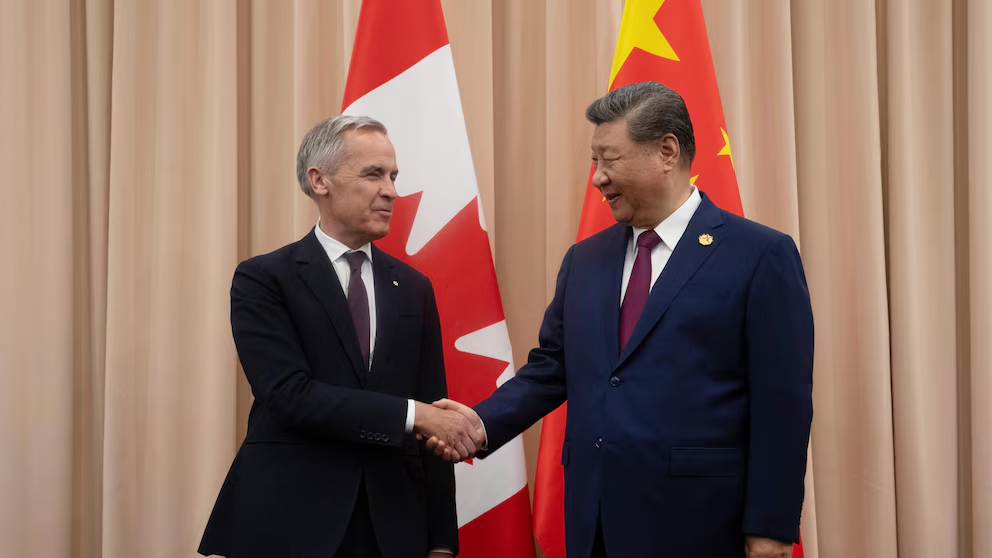
In a significant geopolitical shift, Canada and China are on the verge of a landmark agreement to eliminate tariffs on Chinese electric vehicles (EVs). This move, a stark reversal of Canada’s previous alignment with the United States, signals a new era of trade relations and could have profound implications for the North American automotive industry. As the US pursues an increasingly protectionist agenda, Canada is positioning itself to embrace the future of electric mobility, potentially giving its citizens access to some of the most advanced and affordable EVs in the world – a claim Americans may not be able to make for much longer.
The Shifting Geopolitical Landscape
The deal comes in the wake of escalating trade tensions between Canada and the Trump administration. The US has imposed steep tariffs on a range of Canadian goods, straining the long-standing economic partnership between the two countries. In response to the US’s aggressive trade policies, Canada has been forced to re-evaluate its international alliances and seek new opportunities for growth. The impending EV deal with China is a direct consequence of this strategic pivot.
Previously, Canada had followed the US’s lead in imposing a 100% tariff on Chinese-made EVs. However, with the US turning into a less reliable trading partner, the economic rationale for maintaining these tariffs has evaporated. The Canadian government, led by Prime Minister Mark Carney, is now looking to stabilize its trade relationship with Beijing and secure its own economic interests.
A Win-Win for Canada and China
The agreement is expected to be mutually beneficial. For Canada, it means access to a wider range of affordable EVs, which will help accelerate the country’s transition to a green economy. Chinese automakers like BYD, known for their innovative and competitively priced EVs, will finally be able to enter the Canadian market, offering consumers more choice and driving down prices.
For China, the deal provides a crucial foothold in the North American market, bypassing the US’s protectionist walls. It also comes with the added benefit of China lifting its retaliatory tariffs on Canadian agricultural products, a major boon for Canadian farmers who have been hit hard by the trade dispute.
The US on the Sidelines
The Canada-China EV deal leaves the United States in an increasingly isolated position. While the Trump administration continues to prioritize the protection of its legacy auto industry, its closest allies are moving forward with more progressive trade policies. The deal highlights the potential for US protectionism to backfire, pushing its traditional partners into the arms of its economic rivals.
By shutting out Chinese EVs, the US is not only limiting consumer choice but also hindering its own progress in the transition to a sustainable transportation future. In contrast, Canada is poised to become a leader in EV adoption, with its citizens enjoying the benefits of a more open and competitive market.
The Future of EVs in North America
The Canada-China EV deal is more than just a trade agreement; it’s a sign of the changing times. As the world moves towards a more sustainable future, countries that embrace innovation and international cooperation will be the ones that thrive. Canada’s bold move to partner with China on EVs is a clear indication that it intends to be on the right side of history.
The deal is likely to send shockwaves through the North American auto industry, forcing US automakers to reconsider their strategies. In the long run, it could lead to a more integrated and competitive EV market across the continent, with or without the US.