New York City is about to get a sweet—and shockingly affordable—taste of China’s most ubiquitous beverage brand. Mixue Bingcheng, better known globally as Mixue Ice Cream and Tea, is planting its pastel-colored flag in the heart of Tribeca, marking its long-anticipated U.S. debut.
With over 46,000 stores worldwide—more than McDonald’s and Starbucks combined—Mixue is no underdog
Yet its arrival in America feels like the opening scene of a David-and-Goliath story, where the slingshot is a $0.99 bubble tea and the giant is the $10 specialty latte
From College Stall to Global Empire
Mixue’s origin story reads like a startup fairytale. In 1997, college student Zhang Hongchao began selling shaved ice topped with syrup and jam from a tiny stall in Zhengzhou, China. He undercut competitors by offering ice cream at 20% lower prices—a strategy that would become the brand’s DNA.
Fast forward to today: Mixue Group is valued at $8.1 billion, operates two major brands (Mixue for tea and Lucky Cup for coffee), and dominates streets from Jakarta to Hanoi. Now, it’s turning its gaze westward.
The brand has signed a 10-year lease at 266 Canal Street—a 195-square-meter space in one of Manhattan’s trendiest neighborhoods. Though the storefront remains empty as of late September, locals walking past have no idea they’re standing on the cusp of a beverage revolution.
Why Mixue Could Disrupt the American Drink Scene
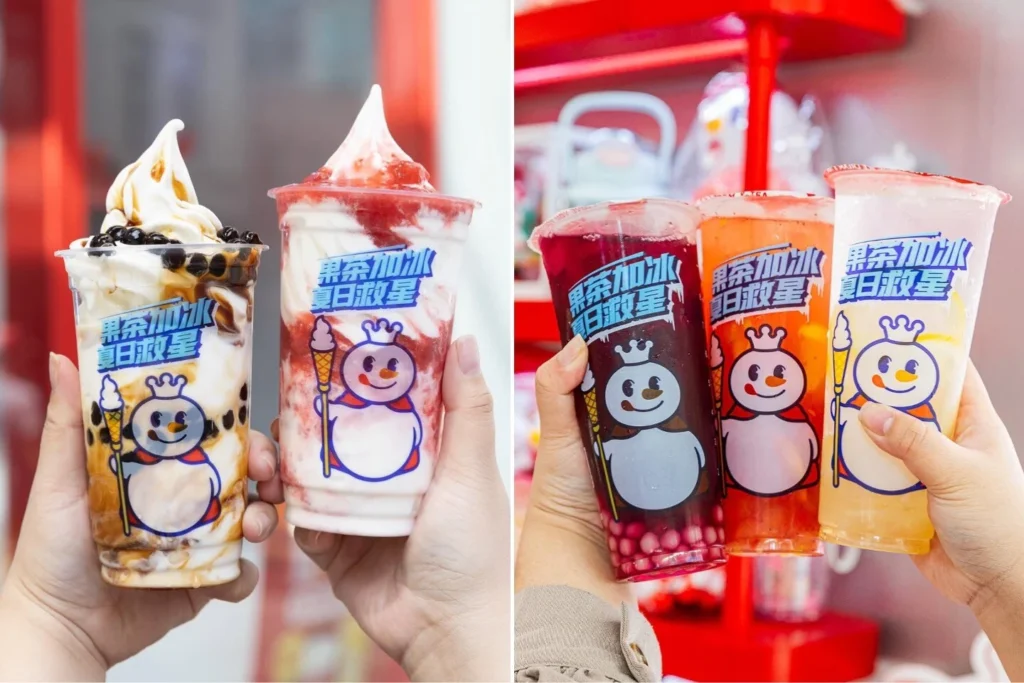
In a market saturated with $7 matcha lattes and $5 cold brews, Mixue’s secret weapon is radical affordability. Its signature drinks—think Mango Oats Jasmine Tea, Coconut Jelly Milk Tea, or soft-serve swirls—typically cost under $1 in China and Southeast Asia. Even with U.S. pricing adjustments, experts predict most items will stay under $3.
“Mixue isn’t just cheap—it’s smart cheap,” says Jacob Cooke, CEO of WPIC Marketing + Technologies, a Beijing-based e-commerce consultancy. “Like Luckin Coffee and HeyTea, Mixue was born digital. It thrives on social virality, influencer buzz, and lightning-fast product iteration. It doesn’t just sell drinks—it sells shareable moments.”
Indeed, on Chinese social platform Xiaohongshu (Little Red Book), Mixue is meme royalty. Users joke that if you own any empty space—a closet, a garage, a phone booth—it should legally be converted into a Mixue outlet. That cultural ubiquity is now being exported.
A Strategic Beachhead in the U.S.
While Indonesia and Vietnam currently drive 70% of Mixue’s overseas revenue, the U.S. represents the ultimate prize: a $100+ billion beverage market long dominated by legacy giants like Starbucks and Dunkin’.
But Mixue isn’t entering blindly. Its Tribeca location is a calculated move—nestled among young professionals, tourists, and Gen Z trendsetters who value both experience and economy. And with franchising as its growth engine, one New York store could quickly multiply into dozens.
“Chinese consumer brands are no longer just ‘made in China’—they’re designed for the world,” Cooke adds. “Mixue’s formula is clear: deliver indulgence at everyday prices, then amplify it through TikTok, Instagram, and word-of-mouth.”
The Bigger Picture: China’s Soft Power in a Cup
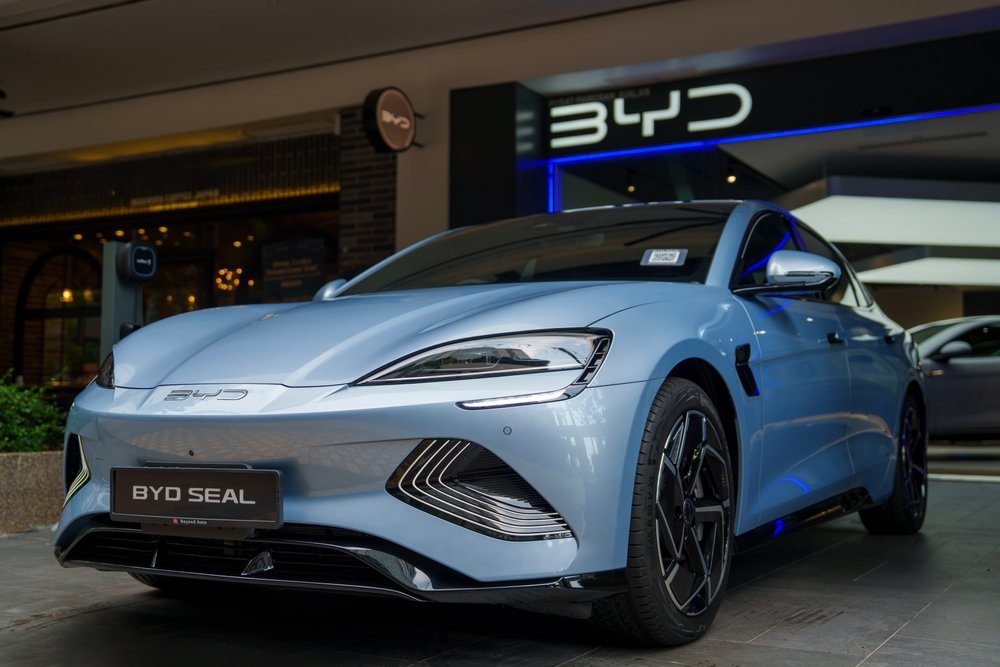
Mixue’s U.S. launch is more than a business expansion—it’s part of a broader wave of Chinese lifestyle brands going global. From electric vehicles to fashion to boba tea, China is redefining what “export” means in the 21st century.
And while Americans may not yet recognize the name “Mixue Bingcheng” (which translates poetically to “Honey Snow Ice City”), they’ll soon learn it—one ultra-cheap, Instagrammable drink at a time.
The opening date remains unconfirmed, but one thing is certain: when that pastel pink-and-blue sign flips on in Tribeca, the U.S. beverage landscape may never be the same.
Stay tuned to [Your Website] for updates on Mixue’s grand opening—and whether America is ready for the $1 bubble tea revolution.