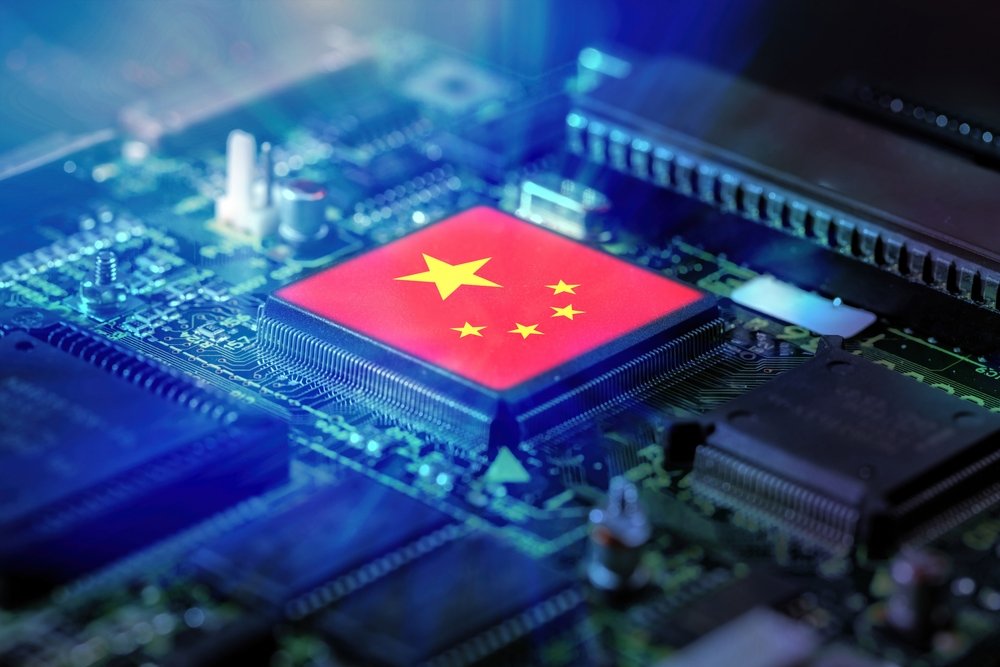
In a move that signals a deepening of the global technology divide, the Chinese government has ordered domestic companies to cease using cybersecurity software from a number of U.S. and Israeli firms. The directive, which affects some of the world’s leading cybersecurity vendors, is a clear indication of Beijing’s intent to insulate its digital infrastructure from Western influence and accelerate its push for technological self-sufficiency.
This latest development in the ongoing tech rivalry between China and the West is more than just a policy shift; it represents a significant step towards what many are calling a “digital decoupling.” By mandating the removal of foreign cybersecurity tools, Beijing is not only aiming to mitigate perceived national security risks but also to bolster its domestic technology sector and assert greater control over its digital domain.
The Scope of the Ban
The directive targets a wide array of prominent cybersecurity companies from the United States and Israel. While the full extent of the ban’s implementation remains to be seen, the list of affected firms underscores the seriousness of Beijing’s intentions. The official justification for this sweeping measure, as reported by sources familiar with the matter, is the concern that these foreign software products could be exploited to siphon sensitive data abroad, posing a direct threat to China’s national security
The following table provides a breakdown of the companies reportedly affected by the ban:
Country | Company | Notes |
United States | Palo Alto Networks | |
United States | CrowdStrike | |
United States | Fortinet | |
United States | Broadcom (VMware) | |
United States | SentinelOne | |
United States | Recorded Future | |
United States | McAfee | |
United States | Claroty | |
United States | Rapid7 | |
United States | Google (Mandiant) | |
United States | Orca | |
United States | CyberArk | |
United States | Imperva | Owned by French company Thales |
United States | Cato Networks | |
United States | Wiz | |
Israel | Check Point Software Technologies | |
Israel | CyberArk | |
Israel | Orca Security | |
Israel | Cato Networks |
The Geopolitical Chessboard
This ban did not occur in a vacuum. It is the latest in a series of moves and counter-moves that have characterized the escalating tech rivalry between China and the United States. For years, Washington has been implementing its own restrictions on Chinese technology, citing similar national security concerns. This has included bans on hardware from companies like Huawei and software from a variety of Chinese developers. Beijing’s latest directive can be seen as a direct response to these measures, a clear signal that it is willing to retaliate in kind.
The timing of the announcement is also noteworthy. It came shortly after the Trump administration approved the export of Nvidia’s H200 AI chips to China, a move that was seen by some as a potential easing of tensions
However, the cybersecurity software ban suggests that any such hopes were premature. Furthermore, the inclusion of Israeli firms in the ban, just days after a Chinese envoy visited Israel, adds another layer of complexity to the geopolitical landscape.
China's Homegrown Alternatives
China is not simply creating a void by banning foreign cybersecurity software. It has been actively cultivating a domestic cybersecurity industry for years, and now has a vast ecosystem of over 5,000 companies to draw upon.
Many of these firms have deep ties to the Chinese government, with the top 20 cybersecurity companies all having some form of connection to the state. These companies, including well-known names like Qihoo 360, Topsec, and Sangfor, are now poised to fill the gap left by their Western counterparts.
This push for technological self-reliance is a core component of China’s long-term strategic vision. By replacing foreign technology with domestic alternatives, Beijing aims to create a digital infrastructure that is not only secure from foreign interference but also fully aligned with its own political and economic objectives.
Industry Reactions and Strategic Implications
The reactions from the affected companies have been mixed. Some, like CrowdStrike and Recorded Future, have stated that they have no significant business in China and therefore expect minimal impact.
Others, like Check Point, have said they are unaware of any restrictions on their operations. McAfee, meanwhile, has emphasized that its products are primarily for consumers, not governments or enterprises.
Regardless of the immediate financial impact on these companies, the long-term strategic implications of China’s ban are profound. As one analysis puts it, this move marks “the end of a long-running illusion: that China and the United States were converging toward partnership”
The article goes on to say that this is not a regulatory adjustment, but a “strategic declaration.”
“By directing domestic organizations to remove Western cybersecurity platforms from critical environments, China is formalizing a break that had already occurred in practice. This move is not about hidden backdoors, compliance nuances, or vendor trust assessments. It is about control—over visibility, response, recovery, and leverage.”
This perspective highlights the fundamental nature of the conflict. It is not merely a trade dispute, but a struggle for control over the future of the internet and the global digital economy. For China, outsourcing its cybersecurity to foreign firms operating under the legal and intelligence frameworks of rival nations is simply “untenable” in its pursuit of long-term strategic dominance.
The Road Ahead
China’s ban on U.S. and Israeli cybersecurity software is a watershed moment in the ongoing fragmentation of the global technology landscape. It is a clear sign that the era of open, interconnected digital ecosystems is giving way to a more balkanized world, where digital borders are becoming as real as physical ones. The full consequences of this digital decoupling are yet to be seen, but it is clear that the world is entering a new era of technological competition, one that will have far-reaching implications for businesses, governments, and individuals alike.
References
[2] SecurityWeek, “Cybersecurity Firms React to China’s Reported Software Ban”
[5] The Jerusalem Post, “China bars use of US, Israeli cybersecurity software”