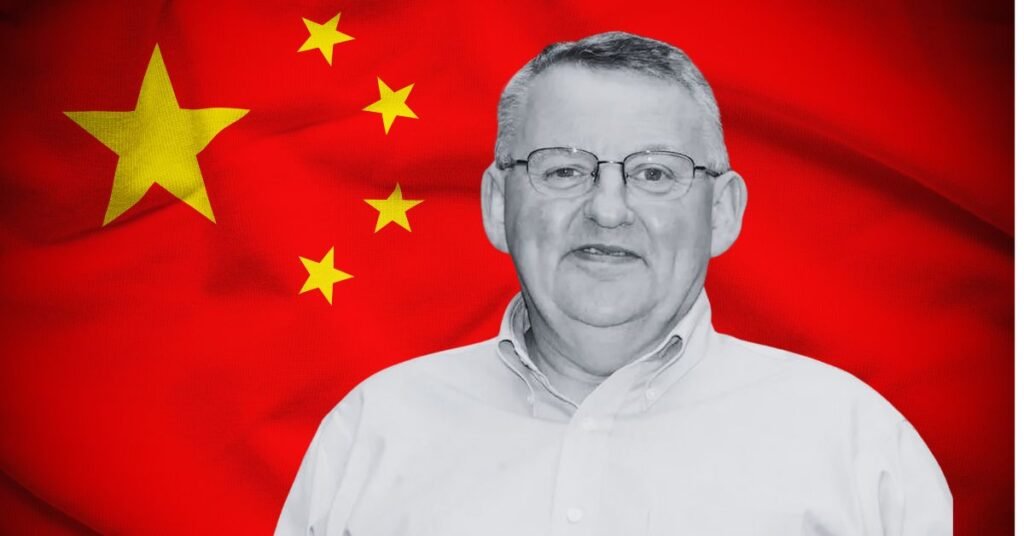
A former top academic from the University of Cambridge has joined the ranks of China’s rapidly growing biotechnology sector, a move that underscores the country’s accelerating shift from a manufacturing hub to a global leader in scientific innovation. Nigel Slater, a distinguished figure in chemical engineering and biopharmaceuticals who spent over three decades at Cambridge, has taken on a new role at Zhejiang University in Hangzhou, where he will focus on developing next-generation cancer therapies [1].
Slater’s move is part of a larger trend that sees prominent Western scientists and researchers collaborating with Chinese institutions, drawn by the promise of cutting-edge research opportunities and a dynamic, well-funded ecosystem. Having served as Cambridge’s pro-vice-chancellor and the head of its chemical engineering department, Slater brings a wealth of experience to his new position. His work at Zhejiang University will involve pioneering cancer treatments that leverage vaccine technology for tumor immunotherapy, a field at the forefront of modern biomedical research [1].
This collaboration comes at a time when China’s biopharmaceutical market is experiencing explosive growth. In 2024, the market reached a staggering $112.8 billion, making it the second-largest in the world. The country has also become a major force in the development of new drugs, accounting for 18% of global first launches of new molecular entities in the same year [2].
This period of rapid advancement, dubbed “Innovation 2.0,” is characterized by a move away from imitation and toward genuine, groundbreaking research.
China’s Biotech Sector at a Glance (2024-2025)
|
Metric |
Value |
|
Pharmaceutical Market Size (2024) |
$112.8 Billion 2 |
|
Global Share of New Molecular Entities (2024) |
18% 2 |
|
Biotech Licensing Deals (through Aug 2025) |
$50 Billion 2 |
|
R&D Intensity (Top 20 Innovators) |
22% of revenue 2 |
China’s commitment to fostering innovation is further evidenced by its significant investments in research and development and a more streamlined regulatory environment. The country now boasts a 30-day fast-track approval process for clinical trials and has launched a new formulary for innovative drugs, making it easier for cutting-edge therapies to reach the market [2]
This has created a fertile ground for breakthroughs in areas like targeted protein degradation, where China now leads in both publications and patents [2]
Slater’s decision to continue his career in China reflects not only a personal ambition to contribute to this burgeoning field but also a broader realignment in the global scientific landscape. As he explained, his motivation is twofold: to pursue his research and to mentor the next generation of scientists in a country that is increasingly shaping the future of biotechnology 1.
References
[1] Cambridge University ex-professor Nigel Slater joins China’s biotech revolution