This comes as a surprise to some, especially after the Trump administration had seemingly given the green light for the export of this technology to China. However, for those who have been observing the long-term strategic maneuvers in the global technology landscape, this development is not just expected, but logical.
Beijing's Quest for Technological Sovereignty
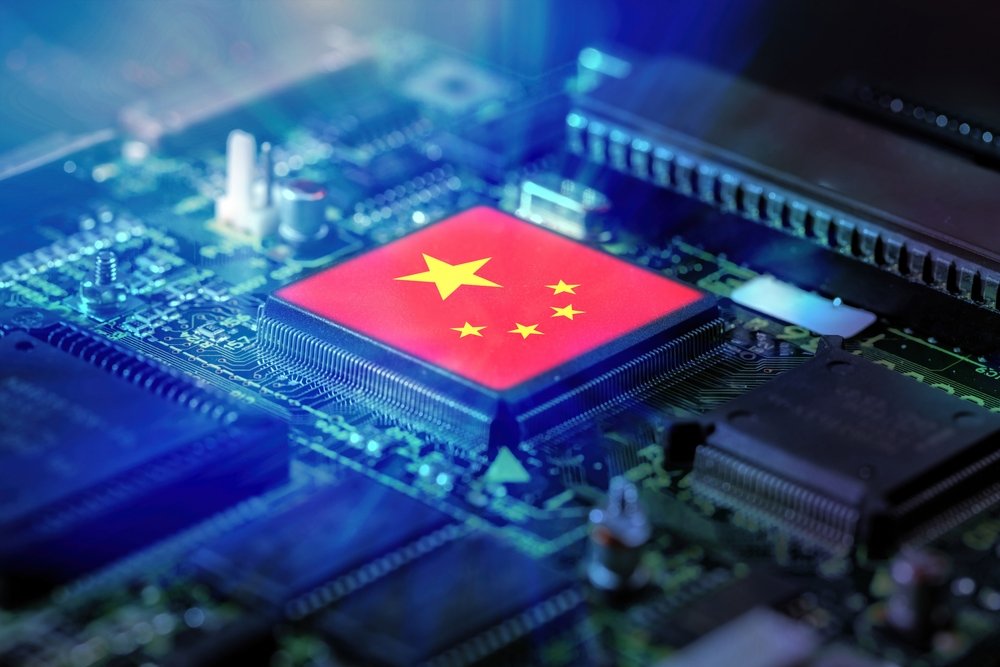
The decision to limit H200 chip sales is not a simple market regulation. It is a clear signal of Beijing’s unwavering commitment to achieving technological self-sufficiency. While Chinese companies might be eager to acquire powerful American chips, the Chinese government has a more ambitious goal: to break the nation’s dependence on US technology for good and transition to domestic alternatives. This move underscores a strategic pivot, prioritizing long-term independence over short-term gains. The message is clear: China is playing the long game, and it will not be reliant on the political whims of other nations for its critical infrastructure.
A Tale of Two Tech Policies: Accusations of Hypocrisy
This situation also casts a spotlight on the often-contradictory stance of the United States. There is a vocal contingent in American politics and media that vehemently opposes the sale of advanced technology, such as Nvidia’s powerful AI chips, to China. The argument is rooted in national security concerns and the fear of fueling a competitor’s rise.
However, this perspective often overlooks a glaring double standard. The same voices that call for technological containment of China today may be the first to cry foul when a future, technologically superior China decides to restrict its own advanced exports to the United States. The current American anxiety over access to rare earth minerals, a market dominated by China, serves as a potent preview of such a scenario. This has led some observers to label the American position as not just short-sighted, but hypocritical, failing to recognize that technological dominance is not a permanent birthright.
The Road Ahead
As the chip war continues to evolve, it is crucial to understand the deeper motivations driving the actions of both a rising China and an incumbent United States. Beijing’s move to limit H200 chips is a calculated step in its grand strategy of technological independence. Meanwhile, the United States must reconcile its desire to maintain a technological edge with the realities of a globalized world where innovation is no longer a monopoly. The current trajectory suggests a future where technological ecosystems are more fragmented, and where today’s restrictions could set the precedent for tomorrow’s blockades.
References
[1] China to limit access to Nvidia’s H200 chips despite Trump export approval, FT reports