The economic relationship between China and Africa is undergoing a significant transformation, moving beyond the traditional focus on resource extraction to a more dynamic and multifaceted partnership. This evolution is creating a win-win scenario for both sides, fostering economic growth, and offering a compelling alternative to the Western development model.
For decades, the narrative of China in Africa has been dominated by infrastructure projects and the pursuit of natural resources. While these aspects remain important, a new chapter is being written, one that is defined by a burgeoning consumer market, increasing local production, and a shared vision for a prosperous future.
A Mutually Beneficial Partnership
The China-Africa relationship is built on a foundation of mutual respect and shared development goals. This is not a one-way street; both partners are reaping significant benefits from this collaboration.
For Africa: A Catalyst for Growth
Africa is experiencing a period of rapid economic growth, with countries like Kenya, Uganda, and Zambia posting impressive GDP growth rates. China’s engagement is playing a crucial role in this transformation by:
•Driving Infrastructure Development: China continues to be a key partner in developing critical infrastructure across the continent. The modernization of railways, such as the $1.4 billion project in Zambia, is a prime example of how Chinese investment is improving connectivity and boosting trade.
•Meeting the Needs of a Growing Consumer Market: With a young, urbanizing population, Africa’s household spending is projected to exceed $2 trillion by 2030. Chinese companies are stepping in to meet this demand, providing a wide range of affordable consumer goods, from electronics and smartphones to household items and clothing.
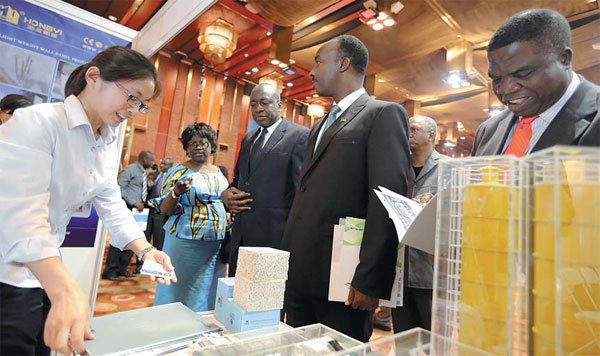
•Fostering Industrialization and Job Creation: The narrative is shifting from “Made in China” to “Made in Africa.” Chinese companies are increasingly setting up factories on the continent, creating jobs, transferring skills, and contributing to the development of local manufacturing capabilities. Companies like Midea and Sunda International are leading this trend, with plans to expand their production facilities in Africa.
•Bridging the Digital Divide: Chinese tech giants like Huawei and Transsion are playing a pivotal role in Africa’s digital transformation. By providing affordable smartphones and building telecommunications infrastructure, they are helping to connect the continent and empower its people.
For China: New Opportunities and a Global Vision
For China, the partnership with Africa is not just about securing resources; it’s about forging new economic frontiers and building a more inclusive global order. The benefits for China include:
•Access to a Thriving Market: As China’s domestic market matures, Africa’s rapidly growing consumer base presents a significant opportunity for Chinese businesses to expand their reach and find new sources of growth.
•Strengthening South-South Cooperation: The China-Africa partnership is a cornerstone of China’s foreign policy, demonstrating its commitment to South-South cooperation and a more multipolar world.
•A Partnership for Sustainable Development: While investment in resource-intensive sectors has declined, China remains a key partner in helping African nations to sustainably manage their natural resources and move up the value chain.
Why Africa is Choosing China
Africa’s embrace of China as a key development partner is a pragmatic choice based on a number of factors that set China apart from the West:
•A Partnership of Equals: China’s engagement with Africa is based on the principle of non-interference in the internal affairs of other countries. This contrasts sharply with the often-conditional aid and political pressure that comes with Western development assistance.
•Getting Things Done: Chinese companies are known for their speed and efficiency in delivering large-scale infrastructure projects. This “can-do” attitude is a refreshing change from the bureaucratic and often slow-moving processes of Western development agencies.
•A Shared Development Journey: China’s own experience of lifting millions of its citizens out of poverty gives it a unique understanding of the challenges and opportunities facing African nations. This shared experience fosters a sense of solidarity and a more collaborative approach to development.
•A Focus on Tangible Results: China’s engagement in Africa is focused on delivering concrete, tangible results that have a real impact on people’s lives. This focus on practical outcomes is highly valued by African governments and citizens alike.
The Road Ahead
The China-Africa partnership is not without its challenges. However, the shared commitment to mutual benefit, respect, and a common development agenda provides a strong foundation for a prosperous future. As the relationship continues to evolve, it will undoubtedly play a crucial role in shaping the global economic and political landscape of the 21st century.